
Falstaff ratings highlight the quality of Nordic Fruit & Berry wines.
Finding great Nordic wines is as easy as “ABC”
When we were invited to enter the Falstaff Nordics Fruit & Berry Wine Trophy tasting in Copenhagen, and we saw the wineries that had competed when it was first held two years ago, we got excited. These other wineries are ones we had heard about, or that Paola had met when she participated in the Cool Climate Wine Summit earlier this year. Realizing this was an opportunity to go head-to-head with other premium Nordic wineries, something we had not previously done, we decided to enter.
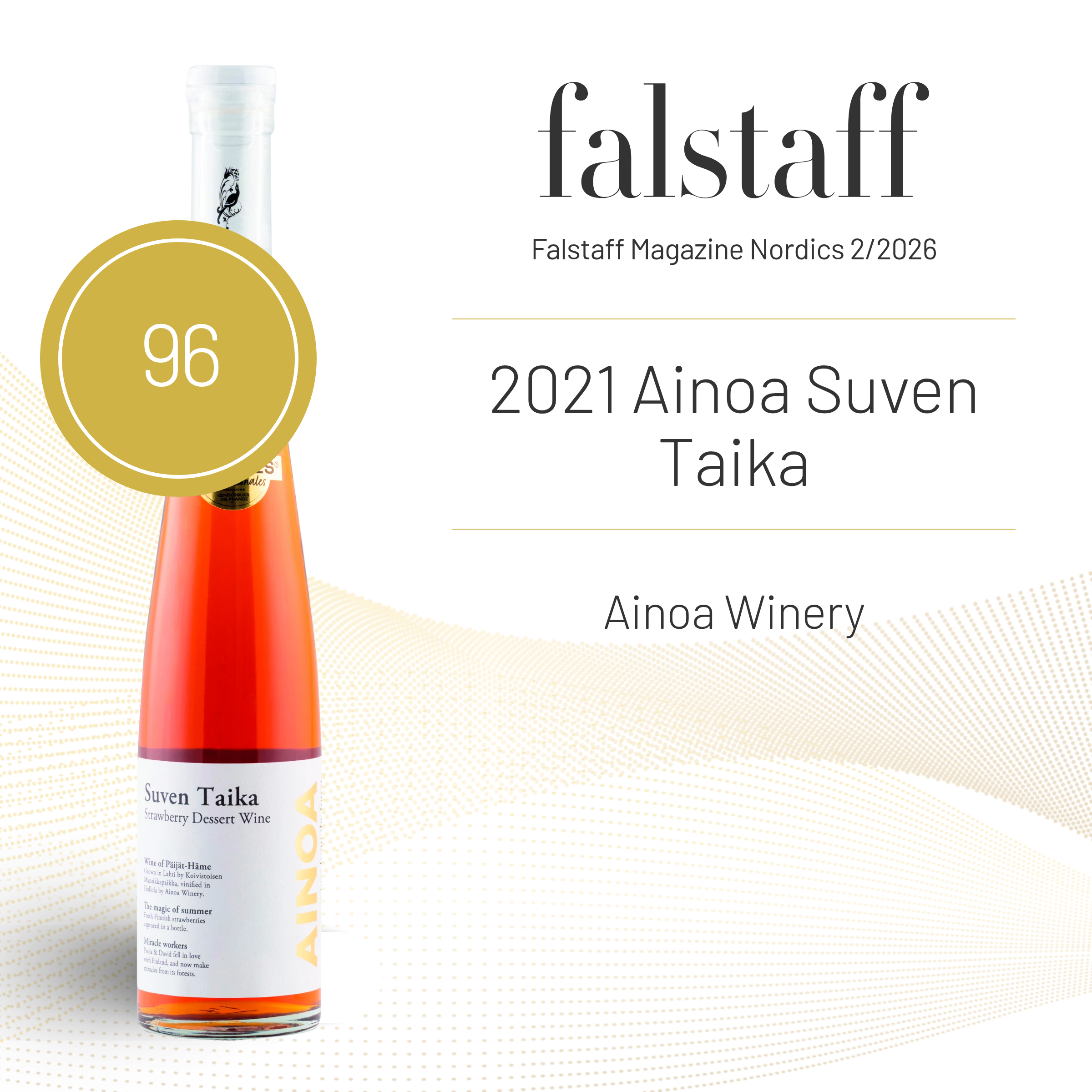
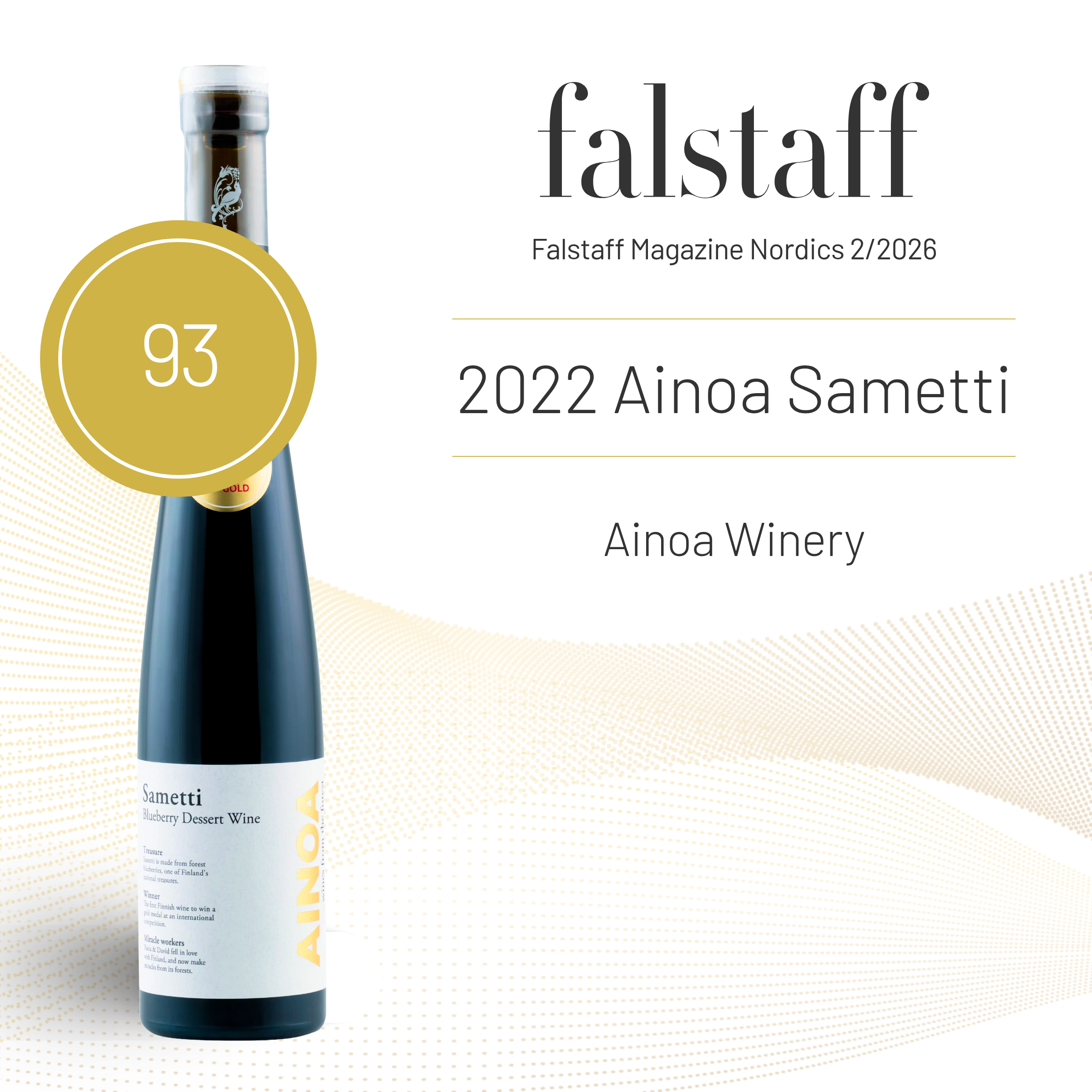
But there was a problem. By the time we made the decision, it was already too late to ship samples from Finland. However, Paola had stored some bottles left over from the summit in Copenhagen, and the organizer agreed to deliver the bottles he had to the competition. That dictated Ainoa’s entries would be Sametti, Kuningatar and Suven Taika.
So how did Ainoa do?
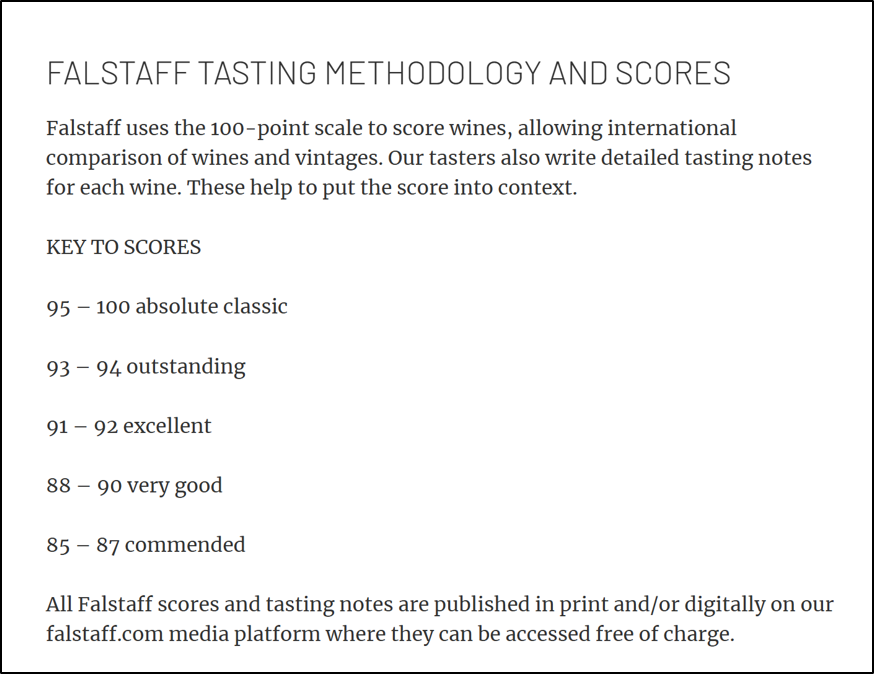
Well, we got no medals at this tasting, but that has to do with Falstaff’s methodology - they never give out medals. Instead they provide a score that allows comparison not just within the tasting group, but also with previous year’s entries, grape wines and even spirits or other beverages reviewed by Falstaff. See the side box for Falstaff’s short explanation of methodology.
Ainoa’s scores:
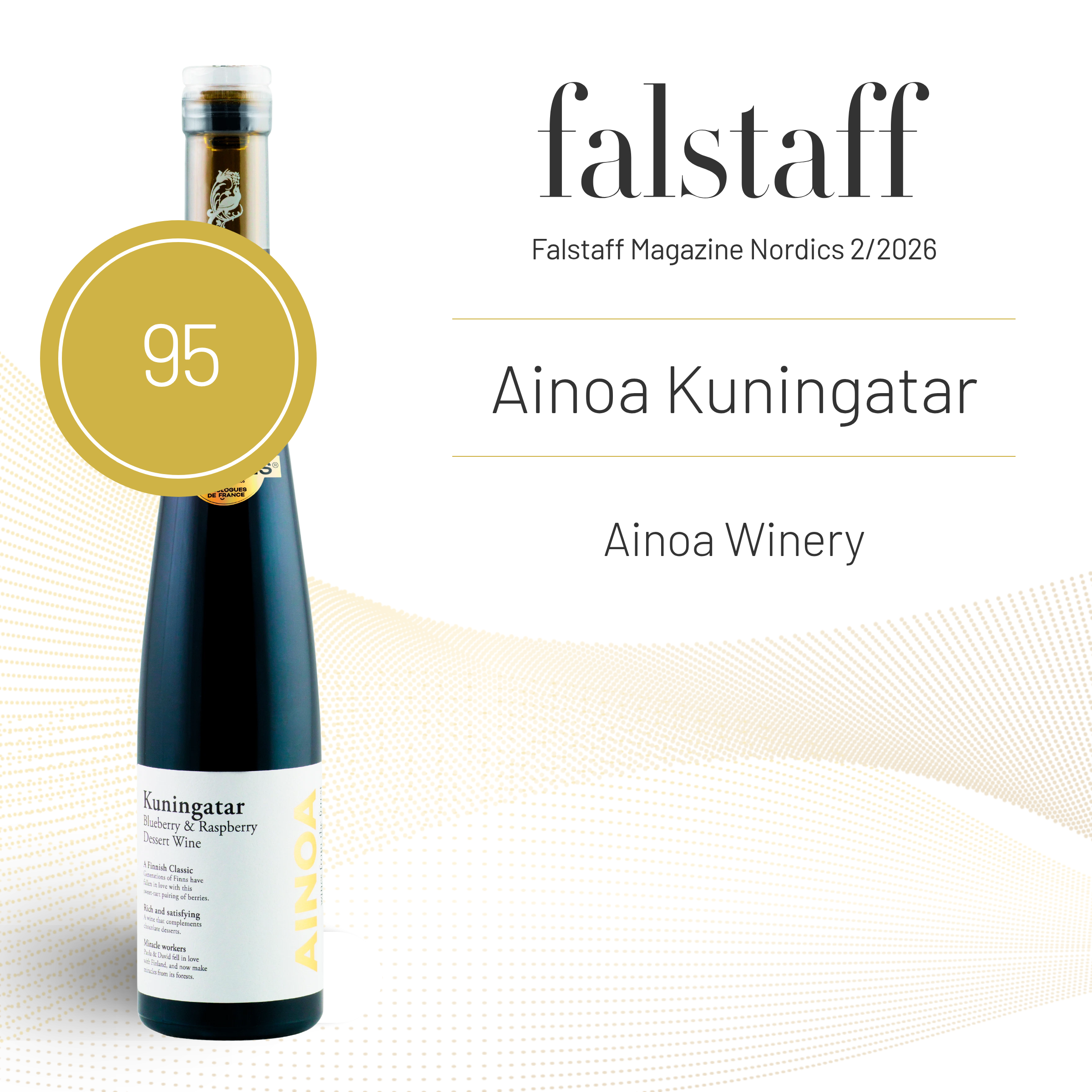
The 96 points is the highest score ever given by Falstaff for a Nordic beverage, though Suven Taika shares that honor with four other wines and one spirit. What is interesting is that only one of the 96-point scores is for a wine made from grapes. Zooming out a bit further, there have been nine Nordic wines to earn scores from Falstaff in the “absolute classic” range, but only two of those have been grape wines, even though far more grape wines were tasted compared to fruit and berry wines.
This validates something we have been saying for some time. The way to make the best wines in the Nordics is to use native Nordic fruits. While it is possible to make great wines from grapes in this part of the world, examples of these are rare. Even in southern Scandinavia, the climate limits which varieties of grapes are grown and it is quite difficult to compete in quality to wines from traditional wine regions. But native Nordic fruits have evolved for this climate since the last ice age and can produce intense nuanced wines of high quality that are unlike wines from anywhere else.
So who won among the Nordic Fruit and Berry Wineries? We all did. Most of the non-grape wineries are small and have such a tiny share of the wine market that we don’t actually compete with each other. We all have experience with people who assume that for a wine to be good, it must be from grapes. But at least when it comes to Nordic wines, that isn’t true. You have better odds finding great Nordic wines if you follow the ABC rule: Apples, Berries & Cherries, and these Falstaff tastings prove it.
See the results from the Nordic wine and fruit wine tastings below:
https://www.falstaff.com/nordics/listings/berry-and-fruit-wine-best-of-all-time
https://www.falstaff.com/en/tastings/best-of-nordische-fruchtweine-2024
https://www.falstaff.com/nordics/tastings/nordic-wine-trophy-for-swedish-danish-wines-2026